Fineline Upholstery
Fineline Upholstery

The Psychology of Texture: Why Feel Matters More Than Look
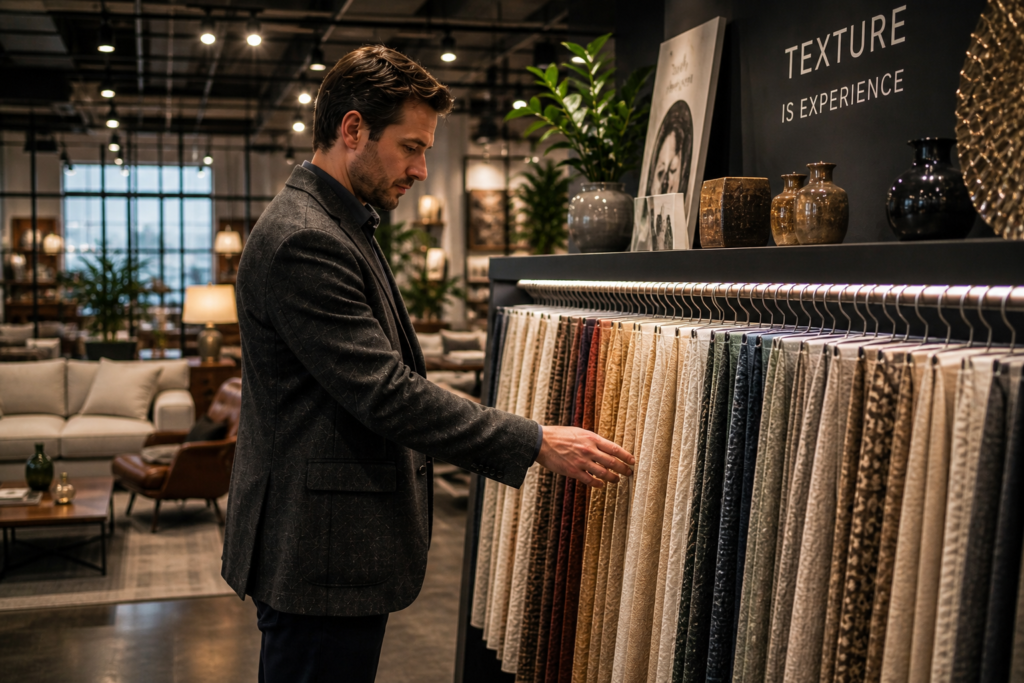
Furniture showrooms present a consistent pattern. Customers enter with images they have seen online or in catalogues. They can describe the visual appearance they want in precise detail. But when they physically inspect the furniture itself, the first a persona does is touch the surface. They run their hands over the fabric. They press the cushions. They test the pile direction on velvet. They assess whether leather feels cold or warm.
This tactile assessment frequently overrides the initial visual preference. A fabric that looked ideal in photographs feels wrong when touched, and the client eliminates it from consideration. On the contrary, a material that was not visually preferred feels correct, and it becomes the choice. This behavioural pattern repeats across different clients and different materials.
Research into tactile perception provides an explanation for this observed behaviour. The data indicates that physical interaction with materials generates responses that visual assessment alone does not trigger. This article examines the research, the mechanisms involved, and the implications for furniture material selection.
The Six Dimensions of Tactile Perception
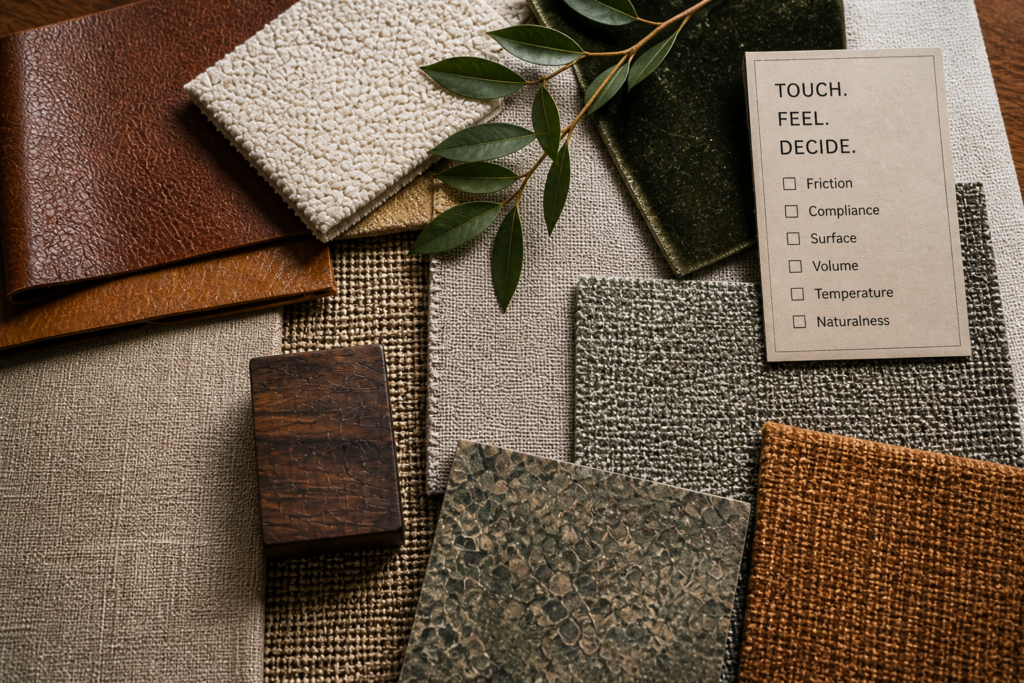
Research into tactile perception has identified six major dimensions that describe how humans process physical contact with surfaces. These dimensions were established through studies that tested a wide range of materials and collected data on how subjects described their tactile experiences. The six dimensions are: Affective evaluation and Friction, Compliance, Surface, Volume, Temperature, and Naturalness.
Affective evaluation and Friction: This dimension combines emotional response with the physical characteristic of surface friction. Research indicates that slipperiness correlates with positive emotional responses to touch, while roughness correlates with negative aspects such as irritation and discomfort. This finding explains why smooth leather or polished cotton generate different responses than coarse linen or heavily textured weaves.
Compliance: This refers to how a material act under pressure. Soft materials that compress easily generate different tactile responses than firm materials that resist compression. In upholstery, this manifests in the difference between high-density foam cushioning and softer, more yielding infill/padding materials.
Surface: The texture characteristics of the material surface, distinct from friction. This includes the grain of leather, the weave pattern of linen, or the pile density of velvet. Surface characteristics can be detected visually but produce additional information when touched.
Volume: The perceived thickness or substance of the material. Heavier, more substantial fabrics produce different tactile responses than lighter, thinner materials even when other characteristics are similar.
Temperature: How the material feels when first touched. Leather typically feels cool on initial contact because it conducts heat away from the skin efficiently. Fabric materials generally feel warmer on initial contact because they insulate rather than conduct. The material then adjusts to ambient temperature within seconds, but the initial sensation influences perception.
Naturalness: The perception of whether a material feels organic or synthetic. This dimension operates independently of whether the material actually is natural or synthetic. Some synthetic materials are engineered to feel natural, while some natural materials can feel synthetic depending on their processing and finish.
These dimensions operate simultaneously when someone touches upholstery fabric. The combination creates the overall tactile impression that influences material preference and selection decisions.
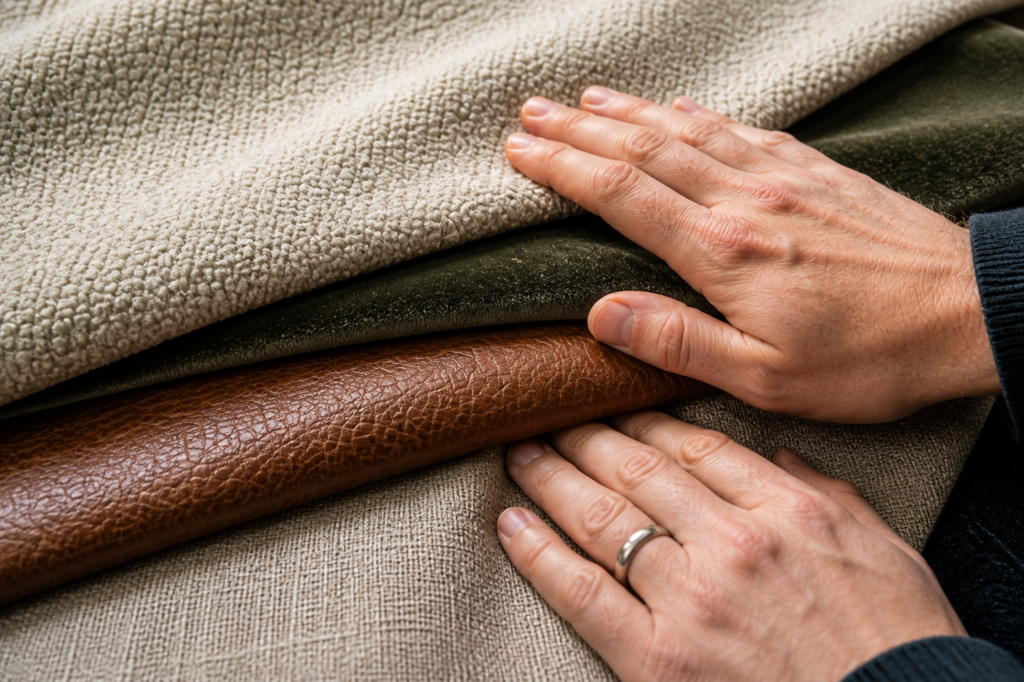
Why Tactile Information Influences Purchase Decisions
Studies on consumer behaviour indicate that tactile exploration is a strong driver of product preference. The decision to purchase furniture often depends on how the materials feel, not just how they appear. This pattern has measurable causes.
Information that vision cannot provide: Visual assessment can indicate surface texture, but it cannot provide information about material weight, firmness, temperature, or how the surface responds to pressure. Touch fills these gaps. When someone presses a cushion, the tactile feedback indicates whether the foam density matches their preference. Visual inspection alone cannot provide this information.
Validation of visual impressions: A material may appear to have a certain texture visually, but the actual tactile experience can contradict that appearance. Performance velvet can appear similar to cotton velvet in photographs, but the tactile difference is immediate when touched. The polyester pile in performance velvet feels different from the cotton pile, and this tactile information confirms or contradicts what the visual assessment suggested.
Emotional response to friction characteristics: The research data showing that slipperiness correlates with positive emotional touch responses explains observable patterns in material preference. Smooth, slightly slippery materials such as finished leather or tightly woven cotton tend to generate positive responses. Materials with high surface friction, such as raw linen or coarse wool, can generate negative responses in clients who are sensitive to roughness. These are measurable preferences, not subjective opinions.
The pattern known as ROPO (Research Online, Purchase Offline) reflects this tactile requirement. Industry data indicates that furniture shoppers are typically 80 to 90 per cent through their purchase journey when they visit physical showrooms. They have completed their visual research online. The showroom visit serves primarily for tactile validation. They need to touch the materials before committing to purchase.
Texture-Maxxing: The 2026 Industry Shift
Industry reporting from major furniture exhibitions in 2026, including the Milan Furniture Fair and High Point Market, documents a shift toward what designers term texture-maxxing. This refers to the deliberate combination of materials with contrasting tactile properties within single furniture pieces or room compositions.
The pattern emerged as a response to the limitations of digital imagery. Flat photographs cannot convey tactile information. As furniture shopping has moved online during recent years, the industry observed that physical showrooms still retained value, specifically for the purpose of displaying the tactile dimension. Retailers responded by emphasising materials that provide strong tactile experiences that cannot be replicated digitally.
Examples include bouclé upholstery paired with raw oak frames, linen cushions on matte steel structures, or velvet seating alongside hand-finished concrete surfaces. The combinations are selected to provide contrasting tactile experiences. Smooth paired with textured. Warm-feeling materials paired with cool-feeling materials. Soft paired with firm.
This industry shift validates the research findings about tactile perception. If touch did not significantly influence purchase decisions, this emphasis on texture contrast would not have emerged as a dominant pattern across multiple international furniture exhibitions.
How Different Upholstery Materials Trigger Tactile Responses
The six tactile dimensions manifest differently across upholstery materials. Understanding these differences provides context for client material preferences.
Velvet (cotton and performance polyester): The dense pile creates a surface with low friction in the direction of the pile and higher friction against the pile direction. This directional characteristic means velvet feels and looks different depending on the direction the hand moves across it. The pile also provides compliance; the surface compresses under light pressure and recovers. Cotton velvet typically feels softer and warmer on initial contact than performance polyester velvet, which can feel slightly cooler and firmer. The difference relates to fibre characteristics and pile density.
Linen: The slubby texture created by irregular flax fibres produces a surface with noticeable and deliberate texture variation. Pure linen typically has moderate to high surface friction, which registers in the Friction dimension of tactile perception. The material feels cool on initial contact and can feel slightly rough, particularly in coarser weaves. Linen also lacks compliance; it does not compress significantly under pressure, which contributes to its firm, crisp feel.
Leather (full-grain and top-grain): Leather has low surface friction when properly conditioned, creating the smooth, slightly slippery feel that correlates with positive emotional responses in the research data. Leather feels distinctly cool on initial contact because of its thermal conductivity properties. The material has minimal compliance; it is firm and does not compress like pile fabrics. The natural grain visible on full-grain leather provides surface texture information both visually and tactilely.
Performance fabrics (tight weaves, treated surfaces): Modern performance fabrics are engineered to specific tactile characteristics. Many incorporate treatments that reduce surface friction, making them smooth to the touch. They typically feel neutral in temperature on initial contact, neither distinctly warm nor cool. The weave tightness affects compliance; tighter weaves feel firmer than looser weaves.
These tactile characteristics operate independently of visual appearance. Two materials can look similar in photographs but feel completely different when touched, and the tactile difference frequently determines which material the client selects.
Observable Patterns in Material Selection
Years of client interactions reveal consistent patterns in how tactile preferences influence material selection. These are observations from reupholstery consultations, not universal rules.
The friction sensitivity threshold: Some clients immediately reject materials with high surface friction. When they touch coarse linen or heavily textured weaves, the response is immediate and negative. This appears to correlate with the research finding that roughness associates with discomfort and irritation. Other clients show no sensitivity to surface friction and select materials based on other characteristics. There is no middle ground; clients either register strong friction sensitivity or they do not.
Temperature perception bias: The initial cool feel of leather causes some clients to perceive it as uncomfortable, even when the material reaches ambient temperature within seconds. This perception persists despite the explanation that the temperature adjusts. Other clients prefer the cool initial contact. Visual preference for leather does not predict whether someone will accept or reject the temperature characteristic.
Compliance requirements for seating: Clients selecting materials for seating surfaces typically show strong preferences regarding compliance. Some want surfaces that yield and compress, others want firm surfaces that resist compression. This preference appears independent of age, body type, or furniture style preferences. The pattern is consistent: clients test cushion firmness extensively, and materials that do not match their compliance preference are eliminated regardless of other positive characteristics.
Visual versus tactile priority conflict: A recurring pattern involves clients arriving with specific visual preferences from online research, then touching the actual materials and selecting something different. The visual preference establishes initial interest, but the tactile assessment determines the final choice. This pattern occurs frequently enough to be predictable.
These observed patterns align with the research data on tactile perception dimensions. The patterns are not anomalies; they reflect measurable characteristics of how humans process tactile information.
Why Material Samples Are Essential
The requirement for physical material samples follows directly from tactile perception research. Visual representations cannot convey the six dimensions of tactile perception. Photographs and digital imagery provide visual information only. They cannot represent friction, compliance, temperature, volume, or the specific surface characteristics that register through touch.
This is why reupholstery consultations require physical samples. A client cannot make an informed material selection from photographs alone. The visual information is not enough to make a final decision. The tactile aspect that industry research has identified through purchase patterns tends to be the deciding factor.
Fabric houses understand this requirement. UK suppliers, including Designers Guild, Warwick, Linwood, Villa Nova, and Romo, provide physical sample services specifically because the industry recognises that visual catalogues are insufficient for material selection. The samples allow clients to assess all six tactile dimensions, not just visual appearance.
The sample assessment process reveals preferences that clients often cannot articulate verbally or perhaps are not even aware of. A client may state they want a smooth fabric, but when touching samples, they select one with moderate texture. The tactile assessment overrides the verbal description and visual representation because the actual sensory experience provides information that the description did not capture.
How We Approach Material Selection at Fineline Upholstery
We observe the patterns described in this article daily. Clients arrive with visual preferences. They have images of fabrics they have seen online. They describe colours and patterns. But the material selection decision happens when they touch the physical samples.
We stock a number of sample books from our fabric suppliers for this reason. The visual catalogue is the starting point, but the tactile assessment determines the selection. Clients need to feel the friction characteristics, test the compliance, and register the temperature and surface properties. These are not optional considerations; they are requirements for informed selection.
Certain patterns emerge consistently. Clients who show friction sensitivity eliminate linen and coarse weaves immediately upon touch. Clients who prefer smooth surfaces select finished leather or tightly woven performance fabrics. Clients who want yielding, soft surfaces choose materials with pile or loose weaves. These preferences manifest through tactile assessment, not through verbal description.
We also observe the visual versus tactile priority conflict regularly. A client arrives wanting linen because of its appearance in photographs. They touch the sample and register the surface friction and lack of compliance. They often select something else. This is a recurring example that the tactile dimension provides information that visual assessment could not provide.
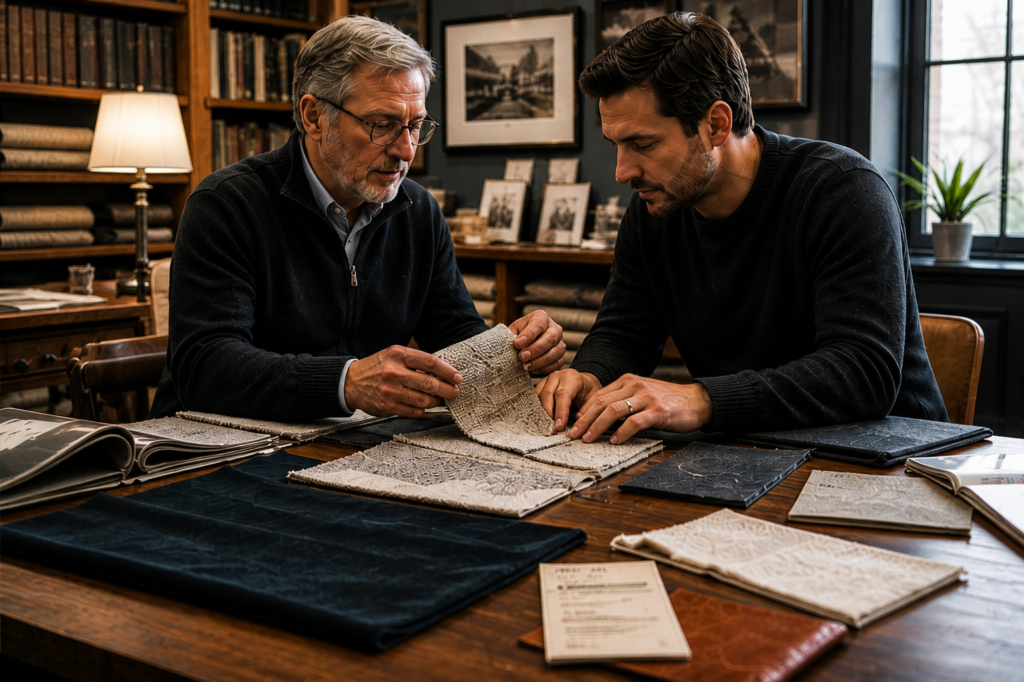
The consultation process: At Fineline, we discuss how the furniture will be used, who will use it, and where it will be located. If required, we can then provide samples that match those conditions. The client handles the samples. They test friction, compression, and surface characteristics. They identify preferences they may not have known they had. We observe which samples they return to repeatedly, which ones they touch extensively, and which ones they set aside quickly.
The tactile assessment frequently takes longer than the visual assessment. Clients may look at a sample briefly but touch it extensively. They run their hands over the surface multiple times. They press cushion samples repeatedly. They compare the friction characteristics between different materials. This extended tactile exploration is necessary. The six dimensions of tactile perception require time to process.
We do not override tactile preferences with visual arguments. If a client responds negatively to how a material feels, that material is eliminated from consideration regardless of how well it matches visual requirements. The research is detailed: tactile characteristics influence satisfaction and preference strongly. Recommending a material that feels wrong to achieve visual goals creates a poor outcome.
If you are considering reupholstery or new upholstery work, request physical samples before making material selections. Visit suppliers who can provide samples you can touch and handle. The visual information from catalogues and websites is useful for establishing initial preferences, but the tactile assessment is necessary for final selection. The material you choose will be touched daily for years. How it feels matters as much as how it looks, and in many cases, it matters more.
Our Services
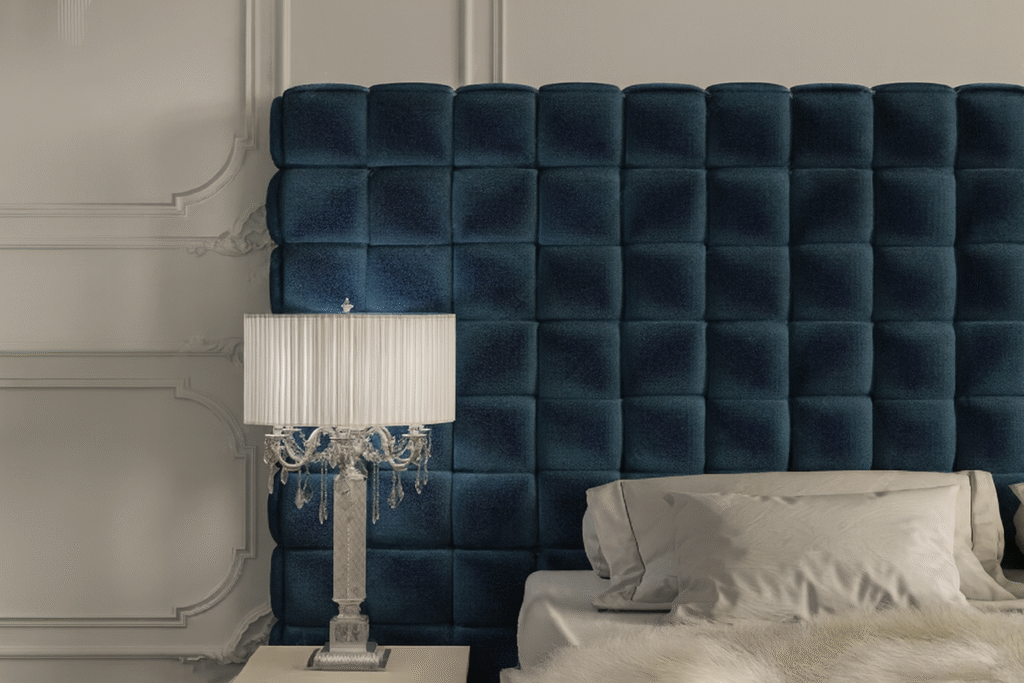
Headboards/ Bedframes
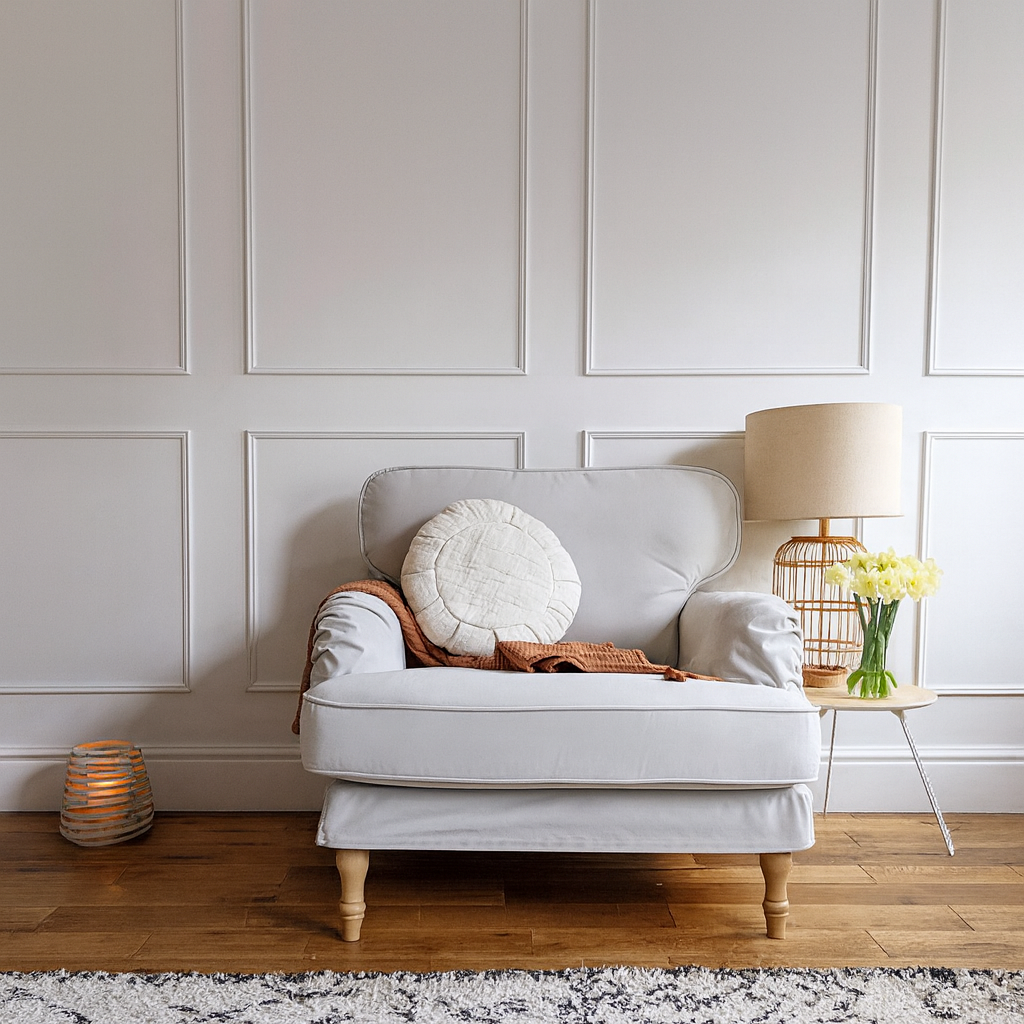
Bespoke Loose Covers
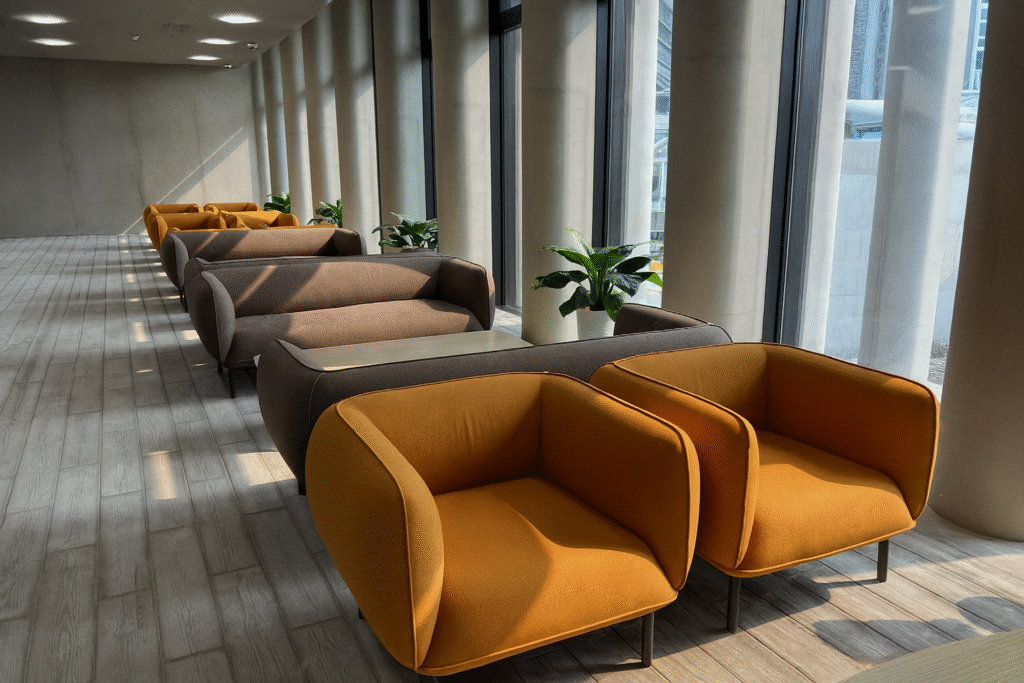
Commercial Upholstery
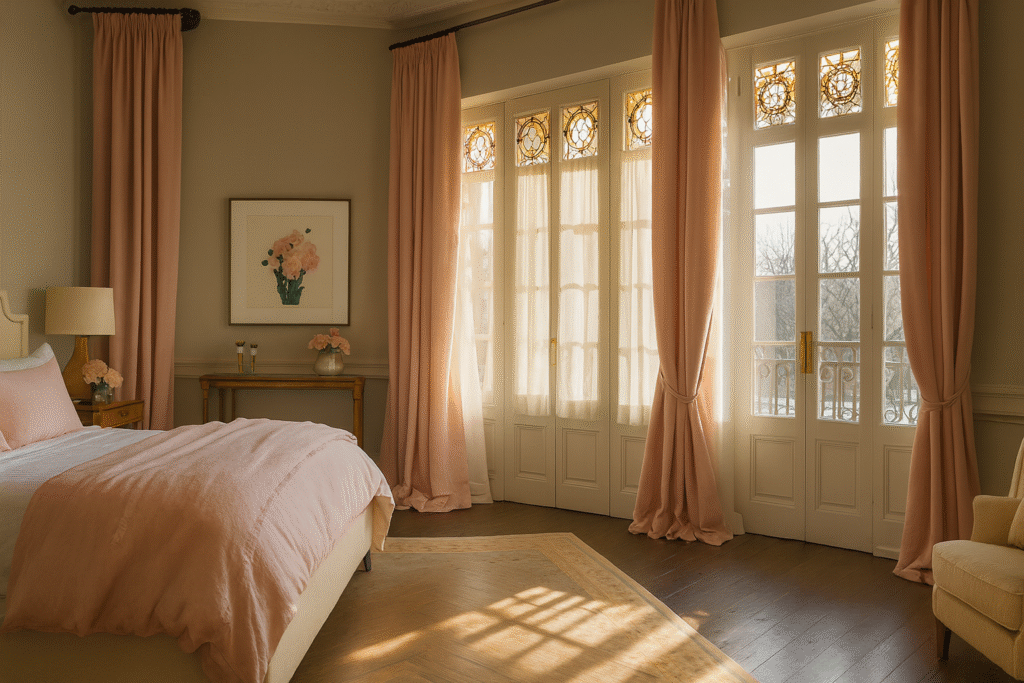
Curtains & Blinds
Bespoke Upholstery
Bespoke Cushions
EXCELLENTTrustindex verifies that the original source of the review is Google. Fineupholstery are wonderful. I have used their services before. I took in an old and very interesting chair for them to re-cover. It was quite complicated and they have done an excellent job. I am thrilled with the new look. And they were so helpful with fabric choice. I felt looked after and will happily to continue using their expert recovering services again. Thank you to all.Posted on GoogleTrustindex verifies that the original source of the review is Google. I contacted Fineline Upholstery to ask for some help with a damaged sofa. They were very prompt, asked for all the necessary details in one email so that once that was provided they could provide a quote and then come and carry out the work. It was effortless and I am very happy with their speed and professionalism. I would definitely use them again.Posted on GoogleTrustindex verifies that the original source of the review is Google. Excellent service and beautifully reupholstered armchair. Top job from beginning to end. Thank you!Posted on GoogleTrustindex verifies that the original source of the review is Google. Friendly, reliable and excellent craftsmanship! Thanks v much :) love our “new” furniturePosted on GoogleTrustindex verifies that the original source of the review is Google. It’s not just the quality of the upholstery, which is absolutely outstanding, but also the excellent customer service. All done really efficiently with updates at every stage.Posted on GoogleTrustindex verifies that the original source of the review is Google. It was a pleasure dealing with Fineline Upholsterers. Their work is of the highest standard and we were delighted with their speedy, prompt and excellent service. I would highly recommend them.Posted on GoogleTrustindex verifies that the original source of the review is Google. I dumped a whole pile of unsatisfactory sofa seat cushions in the workshop. 2 weeks later they were delivered home all pristine and plumped. So easy. So efficient. I can’t wait for my next project!Posted on GoogleTrustindex verifies that the original source of the review is Google. Highly recommended! Fineline Upholstery could not have done more to help. We had a bed that unfortunately got damaged during a house move. Collection, return and reassembly were all carried out efficiently and professionally. The quality of the reupholstered bed could not have been better. We will certainly use again.Posted on GoogleTrustindex verifies that the original source of the review is Google. Excellent service courteous and extremely efficient. Thank you Min. Delighted with the cushions beautifully made and ready much earlier than expected. Thank you Chris.Posted on GoogleTrustindex verifies that the original source of the review is Google. Can’t recommend this company highly enough! Have now used them twice: re-padding and re-upholstery of antique dining chairs and re-upholstery of new chaise. The results were brilliant, excellently made and the customer service responsive, attentive and very efficient. Prices are fair and reasonable. Thankyou!

Our Location
Address: 63 New King’s Road, Fulham, London, SW6 4SE
Opening time:
Monday – Friday: 9:00am – 5:00pm
Saturday: 9:00am – 4:00pm
Sunday: Closed
Speak with the Team
020 7371 7073
info@finelineupholstery.co.uk
