Fineline Upholstery
Fineline Upholstery
Restoration vs. Conservation: When to Strip It Bare
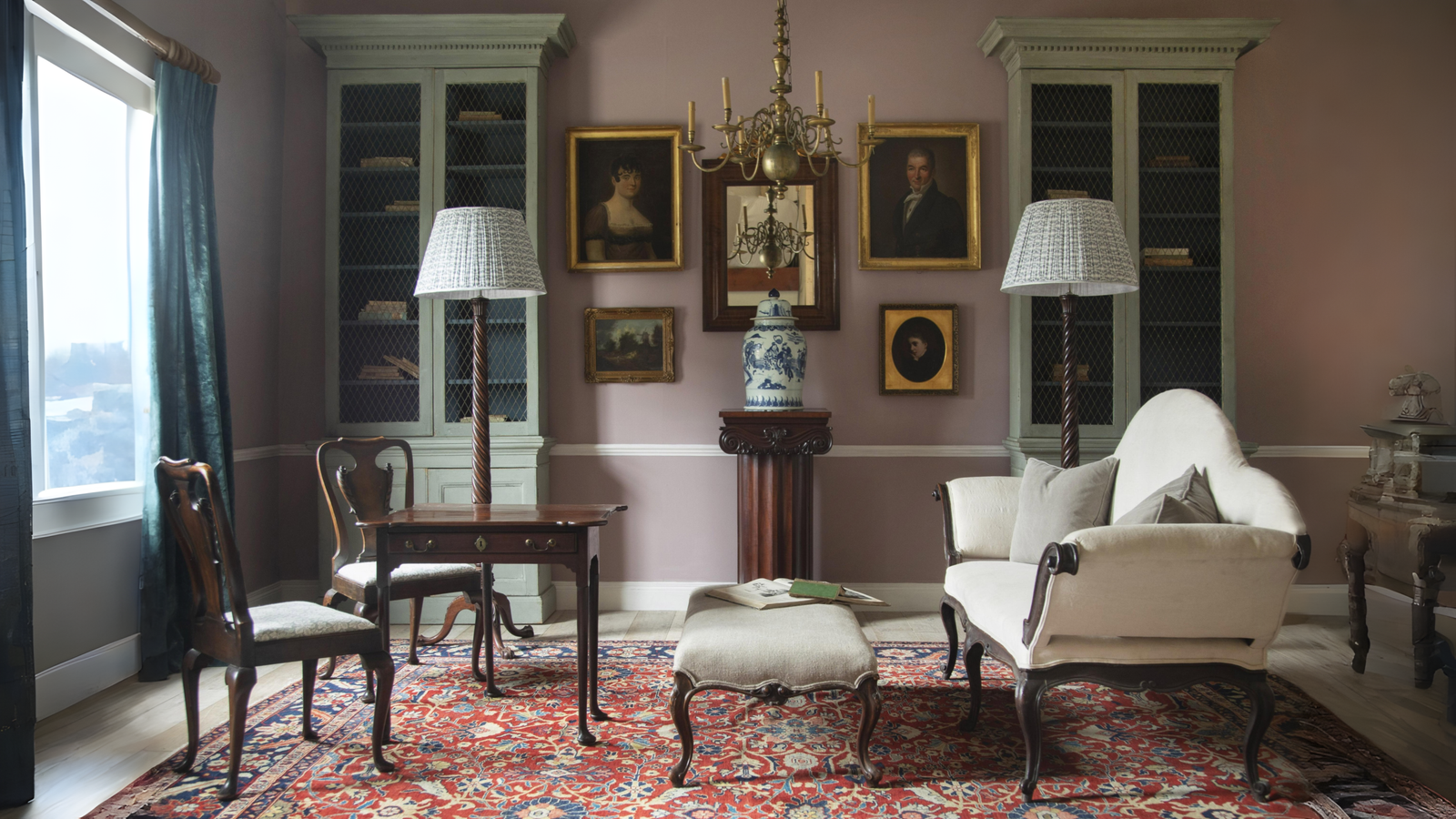
The terminology creates confusion. Restoration and conservation appear interchangeable in common usage but describe fundamentally different approaches to furniture treatment. This distinction matters because the choice between them affects furniture value, historical integrity, and long-term preservation. The decision to strip furniture to bare wood or preserve existing finishes determines whether a piece retains or loses authenticity that collectors and historians value.
Industry practice demonstrates that stripping is not universally appropriate. Some furniture requires it. Other furniture is permanently damaged by it. The difference depends on the piece’s age, condition, historical significance, and intended use.
Defining Conservation and Restoration
Professional conservation practice distinguishes between two approaches based on intervention level and intent. Conservation preserves what currently exists. The work stabilises the object without changing it, focusing on preventing further deterioration through gentle cleaning and structural stabilisation where necessary. Conservation does not attempt to undo the furniture’s history. Original surfaces, finishes, tool marks, and signs of wear remain intact.
Restoration revives what has been lost. The work involves intervention to return an object as closely as possible to its original appearance, including repairing damage, replacing missing elements, and sometimes applying new finishes. Restoration changes the object to return it to a selected point in time rather than leaving its complete history visible.
The distinction matters because different furniture requires different approaches. A Georgian oak table with sound structure but aged finish benefits from conservation that preserves its historical evidence. A Victorian chair with broken structural components requires restoration to make it usable. Neither approach is universally correct. The furniture condition, age, significance, and intended use determine which is appropriate.
The Value Question: Measurable Impact of Stripping
Market data demonstrates that refinishing affects antique furniture value substantially. The impact depends on the piece’s age, rarity, and existing condition.
True antiques (over 100 years old): Pieces in this category generally lose value from any refinishing work. The original finish represents part of the object’s historical documentation. An example documented in restoration literature involved a Connecticut highboy. The owner stripped and refinished the piece, revealing tiger maple underneath. The refinished highboy was appraised at £15,000. Had the original finish remained intact, the appraisal would have been £150,000. The refinishing decision reduced value by 90 percent.
Vintage pieces (1920s to 1990s): Furniture in this category can often be refinished without value loss, particularly if existing condition is poor. If the original finish is severely damaged or compromised, refinishing to restore functionality does not destroy historical evidence because the piece was not initially valued for historical significance.
Brand names affect the calculation. Lesser-known manufacturers’ pieces can be refinished without substantial value impact. Recognised makers including Ercol, G-Plan, or Parker Knoll hold value better with original finish preserved. Mid-century modern pieces currently command premium prices. Original finish preservation on teak or walnut furniture from this period is particularly important because collector interest focuses specifically on period authenticity.
What Patina Means and Why It Matters
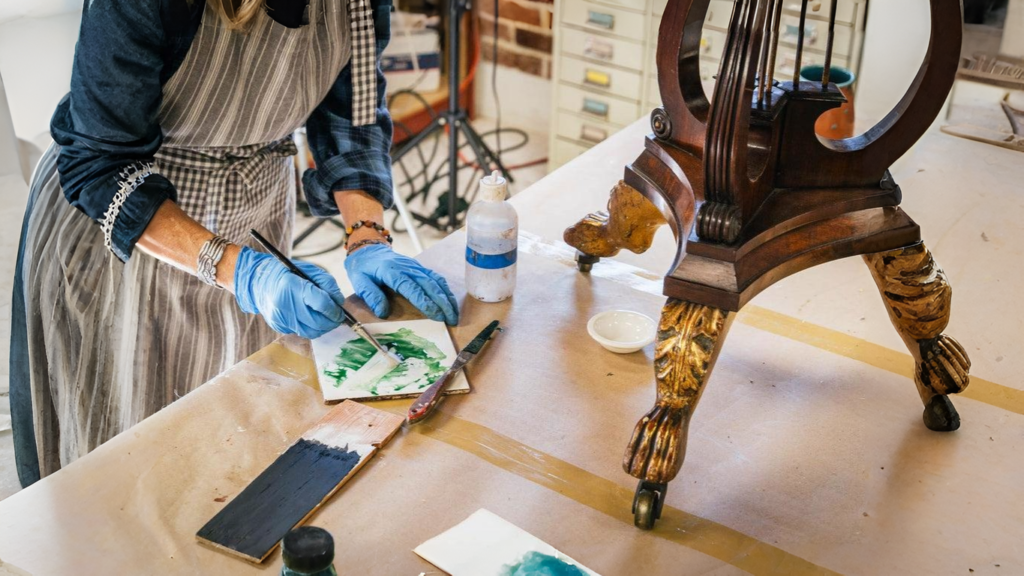
Patina refers to the surface changes that occur on furniture over time through use, handling, and environmental exposure. This includes colour deepening, surface polish from repeated contact, wear patterns in high-use areas, and subtle finish degradation that creates depth and character. Collectors value patina because it provides visual evidence of age and use history. A chair arm develops darker colouring and smoothness where hands have contacted it repeatedly. These changes cannot be artificially recreated. Genuine patina results from actual use over time and documents the object’s history.
Stripping removes patina entirely. Once stripped, the furniture shows only the bare wood underneath. The visual evidence of age and use disappears. For antique furniture, this removal destroys one of the characteristics that collectors specifically seek.
When Stripping Is Appropriate
Specific conditions indicate that stripping and refinishing represent sensible approaches rather than value-destroying interventions.
Where existing finishing shows deep water damage, extensive cracking, or complete failure, the finish no longer serves a protective function. Attempting to preserve failed finishing provides no benefit. Stripping and refinishing restores furniture to usable condition. Furniture that has received amateur restoration work in previous decades sometimes has inadequate or inappropriate finishing applied over original surfaces. These interventions often use incompatible materials that cause ongoing damage. Removing failed restoration work and refinishing properly can prevent further deterioration.
Everyday furniture from recent decades that provide functional purpose rather than historical value can be refinished to extend useful life. A dining table from the 1970s or 1980s that shows heavy wear but has sound structure benefits from refinishing because the piece was not manufactured as a future antique and does not have collector interest that depends on original finish.
Furniture that has received paint covering at some point after manufacture often hides quality wood underneath. If the paint is not original to the piece and if investigation reveals desirable wood type beneath, stripping to expose the wood can restore value. However, determining whether paint is original requires careful assessment. Some furniture is painted at manufacture and the paint represents authentic finish.
When Conservation Is Essential
Certain categories of furniture should not be stripped regardless of finish condition. Furniture with documented provenance, rare construction methods, or attribution to notable makers requires a full conservation approach. The historical evidence these pieces provide has research value beyond their function as furniture. Stripping destroys material evidence that scholars, conservationists’ and curators’ study to understand historical construction techniques.
If the existing finish is original to the furniture and remains relatively stable, preservation maintains authenticity. Even if the finish shows age-appropriate wear including darkening, minor surface damage, or patina development, these characteristics document genuine age. Conservation cleaning and stabilisation can remove dirt and prevent further deterioration without removing the original surface.
Pieces manufactured before 1900 typically warrant conservation approach unless the finish has completely failed. The age alone creates historical interest, and the original finish provides information about period materials and techniques. Furniture can provide examples of the rare survival of particular furniture types, or can document examples of specific workshops or manufacturing techniques, this requires conservation. The rarity creates research interest that depends on material authenticity.
The Upholstery Dimension
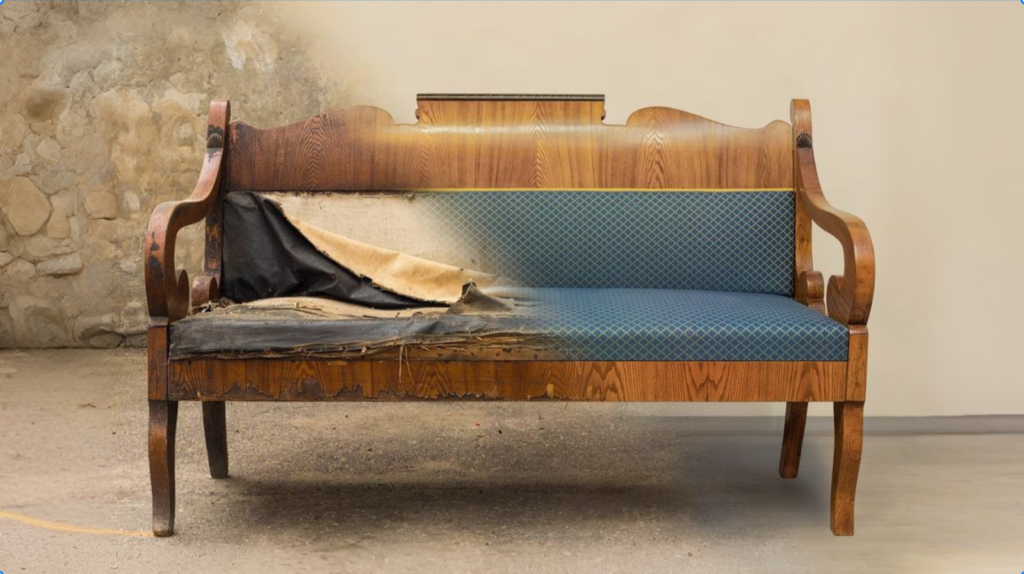
The conservation versus restoration question applies to upholstered furniture with additional complexity. Original upholstery on antique furniture has historical value even when worn, faded, or damaged. A chair with original upholstery fabric, even if shredded and unusable, can possess historical value and documents original colour, weave, and construction method. Museums and serious collectors value the preservation of this authenticity even when damage has occured.
However, most antique upholstered furniture in private ownership serves functional purpose. Owners want to use the furniture, not preserve it behind barriers which render them unfit for use. This creates tension between historical preservation and practical use. For genuinely rare or museum-quality pieces, the original upholstery should be preserved even if damaged. If the furniture must be usable, conservation-level reupholstery can document original materials through photography and sampling before careful removal.
For furniture of less historical significance, reupholstery with appropriate period materials and construction methods represents acceptable restoration option. The frame is assessed separately. Not all Victorian or Edwardian furniture qualifies as historically significant. Much furniture from these periods was mass-produced for middle-class households. This furniture can be reupholstered using current methods and materials without destroying historical evidence because the piece does not represent rare survival or important documentation of historical practice.
The question is not whether furniture is old, but whether it is historically significant. Age alone does not determine conservation requirements. Significance depends on rarity, condition, provenance, and research value.
How We Approach Assessment at Fineline Upholstery
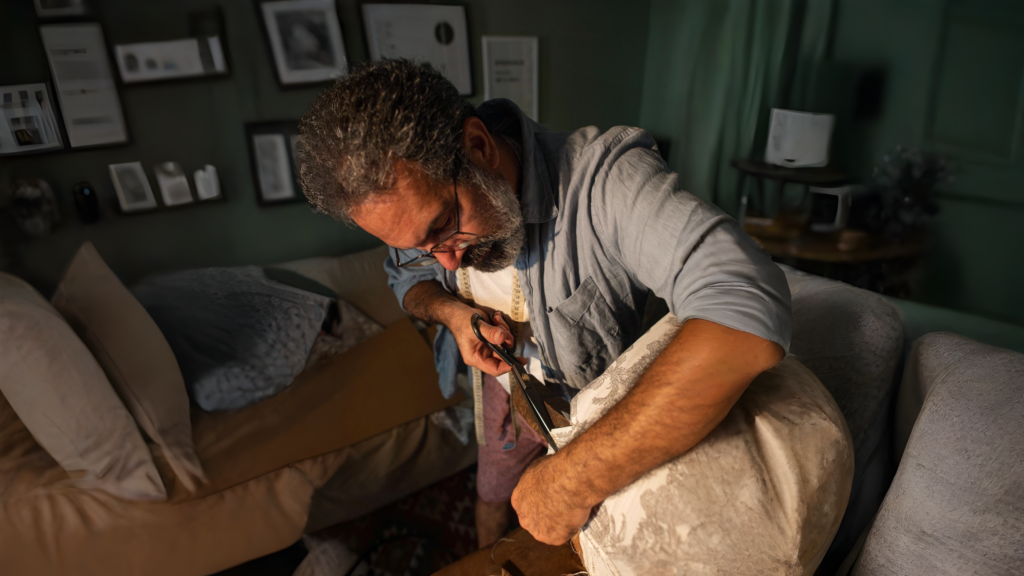
Clients arrive with furniture requiring evaluation. They want to know whether reupholstery is appropriate and whether the frame should receive restoration or conservation treatment. We begin with identification. What is the furniture? When was it made? What construction methods were used? These questions establish whether the piece falls into categories requiring conservation approach or whether restoration is appropriate.
For furniture that appears to have potential historical significance, we recommend professional appraisal before work begins. We are upholsterers, not antique appraisers. If the furniture might be rare, valuable, or museum-quality, proper identification matters before any treatment decisions are made.
We evaluate whether the frame finish is original and whether it remains stable. If original finish exists in reasonable condition, we recommend preservation. If finish is completely failed, severely damaged, or represents poor-quality previous restoration, we discuss whether stripping and refinishing is appropriate given the furniture’s significance and intended use. We examine whether original upholstery materials remain and what condition they are in.
We observe that most furniture clients bring does not fall into museum-quality category. Much of it is Victorian, Edwardian, or early 20th century furniture that was mass-produced and has seen multiple generations of family use. This furniture has sentimental value and often sound construction that supports reupholstery. It does not have rarity or research value that requires conservation-level treatment. For this category, we proceed with standard reupholstery practice.
When furniture does have historical significance, we discuss options honestly. Full conservation-level work requires specialists we can recommend. We do not claim to have conservation expertise we do not possess. The assessment process matters because the wrong treatment creates permanent consequences. Stripping cannot be undone. Once original finishing is removed, it is gone.
If you have furniture requiring assessment, feel free to send photographs showing overall condition, close-ups of any maker’s marks or labels, and details of frame construction and finish condition. We can discuss whether the piece warrants professional appraisal, whether conservation or restoration approach is appropriate, and what work or assistance we can provide.
Our Services
Headboards/ Bedframes
Bespoke Loose Covers
Commercial Upholstery
Curtains & Blinds
Bespoke Upholstery
Bespoke Cushions
EXCELLENTTrustindex verifies that the original source of the review is Google. Fineupholstery are wonderful. I have used their services before. I took in an old and very interesting chair for them to re-cover. It was quite complicated and they have done an excellent job. I am thrilled with the new look. And they were so helpful with fabric choice. I felt looked after and will happily to continue using their expert recovering services again. Thank you to all.Posted on GoogleTrustindex verifies that the original source of the review is Google. I contacted Fineline Upholstery to ask for some help with a damaged sofa. They were very prompt, asked for all the necessary details in one email so that once that was provided they could provide a quote and then come and carry out the work. It was effortless and I am very happy with their speed and professionalism. I would definitely use them again.Posted on GoogleTrustindex verifies that the original source of the review is Google. Excellent service and beautifully reupholstered armchair. Top job from beginning to end. Thank you!Posted on GoogleTrustindex verifies that the original source of the review is Google. Friendly, reliable and excellent craftsmanship! Thanks v much :) love our “new” furniturePosted on GoogleTrustindex verifies that the original source of the review is Google. It’s not just the quality of the upholstery, which is absolutely outstanding, but also the excellent customer service. All done really efficiently with updates at every stage.Posted on GoogleTrustindex verifies that the original source of the review is Google. It was a pleasure dealing with Fineline Upholsterers. Their work is of the highest standard and we were delighted with their speedy, prompt and excellent service. I would highly recommend them.Posted on GoogleTrustindex verifies that the original source of the review is Google. I dumped a whole pile of unsatisfactory sofa seat cushions in the workshop. 2 weeks later they were delivered home all pristine and plumped. So easy. So efficient. I can’t wait for my next project!Posted on GoogleTrustindex verifies that the original source of the review is Google. Highly recommended! Fineline Upholstery could not have done more to help. We had a bed that unfortunately got damaged during a house move. Collection, return and reassembly were all carried out efficiently and professionally. The quality of the reupholstered bed could not have been better. We will certainly use again.Posted on GoogleTrustindex verifies that the original source of the review is Google. Excellent service courteous and extremely efficient. Thank you Min. Delighted with the cushions beautifully made and ready much earlier than expected. Thank you Chris.Posted on GoogleTrustindex verifies that the original source of the review is Google. Can’t recommend this company highly enough! Have now used them twice: re-padding and re-upholstery of antique dining chairs and re-upholstery of new chaise. The results were brilliant, excellently made and the customer service responsive, attentive and very efficient. Prices are fair and reasonable. Thankyou!


Our Location
Address: 63 New King’s Road, Fulham, London, SW6 4SE
Opening time:
Monday – Friday: 9:00am – 5:00pm
Saturday: 9:00am – 4:00pm
Sunday: Closed
Speak with the Team
020 7371 7073
info@finelineupholstery.co.uk
