Fineline Upholstery
Fineline Upholstery

Commercial Spaces: How Upholstery Affects Your Brand
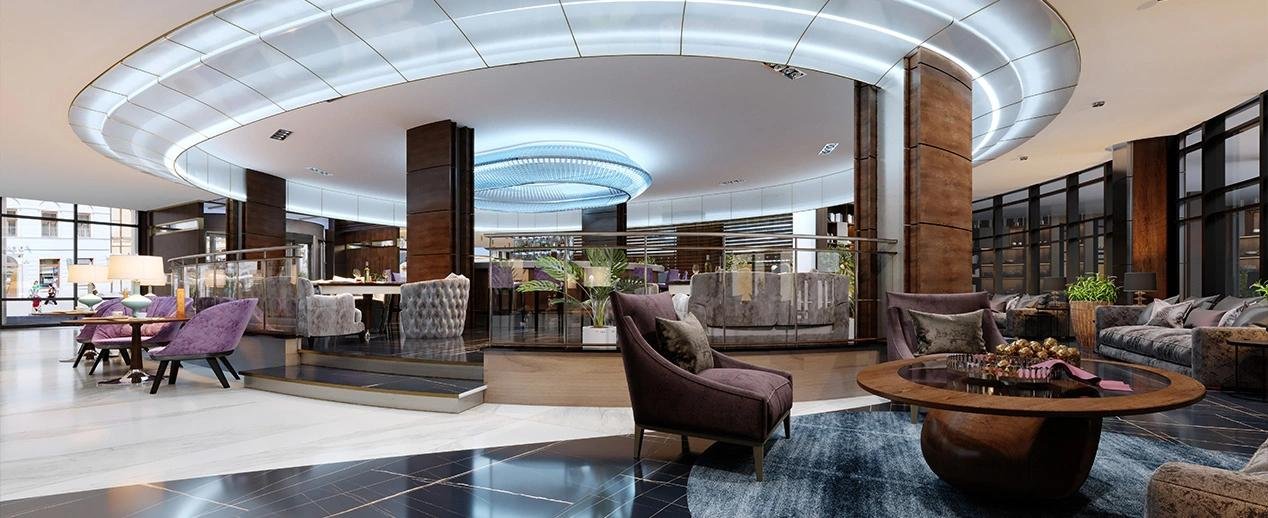
Commercial furniture represents a measurable component of brand perception. The upholstery visible in offices, hotels, and restaurants communicates information about a business before any interaction occurs. Research into first impressions indicates that people form initial judgments within seconds of entering a space, and physical environment significantly influences these assessments. Once formed, first impressions create bias that people have difficulty overcoming.
The upholstery condition in commercial spaces affects three measurable outcomes: employee productivity and satisfaction, customer perception and willingness to return, and the frequency with which furniture requires replacement. This article examines the research data, the specific requirements that differentiate commercial from residential upholstery, and the actual costs associated with different quality levels.
Measurable Impacts on Employee Performance
Research into workplace environments documents specific correlations between furniture quality and employee productivity. These are not subjective assessments but measured outcomes from controlled studies.
Washington State study: A study conducted by the Washington State Department of Labor and Industries measured productivity changes in 4,000 employees after introducing ergonomic furniture. The data showed a 40 percent increase in productivity. The study controlled four other variables and attributed the improvement specifically to furniture changes.
Human Factors and Ergonomics Society data: Research published by this organisation reported a 15 percent productivity increase when employees work in ergonomically designed environments. The improvement results from reduced discomfort-related distractions and improved focus capacity.
Employee perception data: A survey conducted by Staples found that 90 percent of workers believe a well-designed office demonstrates respect from their employer. This perception affects job satisfaction and retention rates. Employees spend over 90,000 hours at work during their lifetime. The quality of furniture they interact with daily influences their assessment of the organisation’s priorities.
Research on workplace satisfaction identifies workstation furniture as one of the most significant predictors of perceived work performance, alongside temperature, noise, and overall aesthetics. Furniture that fails to provide adequate support creates physical discomfort that reduces concentration and task completion rates.
The connection between furniture quality and productivity operates through measurable mechanisms. Uncomfortable seating creates frequent position adjustments and movement breaks. Each interruption disrupts concentration and requires time to re-establish focus. Over an eight-hour workday, these interruptions accumulate. Proper ergonomic support eliminates this pattern by allowing sustained concentration periods without discomfort-driven interruptions.

Brand Perception in Customer-Facing Spaces
The physical environment of hotels, restaurants, and client-facing offices communicates brand positioning before any service interaction occurs. Research in hospitality management documents how furniture contributes to this perception.
First impressions in hospitality settings form within seconds of entry. Furniture quality, condition, and coordination contribute significantly to these initial assessments. Research indicates that people have great difficulty overcoming the bias created by first impressions. A negative initial perception requires substantial positive experiences to counteract, and many customers do not provide that opportunity. They simply do not return.
Atmospherics and brand image: Studies on fine dining establishments demonstrate that physical environment, termed atmospherics, positively impacts both brand image and customer satisfaction. The research identifies furniture as a component of atmospherics alongside lighting, layout, and décor. These elements operate together to create the overall perception of brand quality.
Brand perception mechanisms: Research into café and restaurant experiences indicates that brand perception motivates emotional responses including comfort, attachment, and trust. These emotional responses then influence perceived value. The physical environment creates sensory stimulation that generates these emotions. Furniture contributes through tactile experience, visual coordination, and the provision of comfort.
Hotels and restaurants face specific furniture challenges. High occupancy rates and frequent use accelerate wear patterns. Furniture in hotel lobbies and restaurant dining areas require replacement more frequently than items in guest rooms or back-of-house spaces. Industry data indicates that commercial dining chairs and high-traffic lounge seating typically require replacement every five to seven years, while guest room furniture can last seven to ten years with proper maintenance.
The perception issue compounds over time. As furniture shows wear, customers begin associating the business with declining standards. Restaurant operators report that visible furniture deterioration affects customer willingness to return even when food quality and service remain constant. The furniture condition creates an impression that the establishment is not maintaining standards across all aspects of operation.
Replacement Cycles and Actual Costs
Understanding realistic furniture lifespan in commercial settings allows accurate cost forecasting. Industry data provides specific expectations for different furniture categories and usage levels.
Office furniture: Well-constructed office chairs last seven to ten years in commercial settings. Most manufacturers provide warranties ranging from three to ten years depending on construction quality. Office desks have a practical lifespan exceeding fifteen years but are typically replaced every five to seven years for aesthetic updates or reorganisation. Commercial lounge seating lasts seven to twelve years depending on traffic levels and maintenance quality.
Restaurant and hospitality: Commercial dining chairs and booths require replacement every five to ten years. Bar stools experience heavier wear and typically need replacement sooner. Restaurant lounge areas where customers wait require furniture updates every three to five years to maintain fresh appearance. Tables generally last longer than seating, often ten years or more with proper care.
High-traffic environments: Furniture in constant-use facilities including airport terminals and 24-hour operations show accelerated wear. Even contract-grade materials rated at 40,000+ Martindale rubs (Fabric durability rating) require closer monitoring and more frequent replacement in these conditions. Standard commercial-grade furniture inappropriate for these applications can fail within two to three years.
The cost calculation extends beyond initial purchase price. Standard furniture may cost less initially but requires replacement at three to five year intervals. Contract-grade furniture costs more initially but lasts ten to fifteen years. Industry analysis indicates that premium options cost 30 to 40 percent less per year of use compared to budget alternatives when replacement cycles are included.
Premature replacement creates additional costs beyond furniture purchase. Replacement requires facility downtime, installation labour, disposal of existing furniture, and potential disruption to business operations. Over 8.5 million tonnes of office furniture enter landfills globally each year, much of it replaced prematurely. These environmental costs increasingly affect brand perception as sustainability concerns grow among customers and employees.
The question is not whether commercial furniture will require replacement, but when. Budget furniture forces replacement on a schedule determined by product failure. Quality furniture allows replacement on a schedule determined by business planning.
Reupholstery as Commercial Strategy
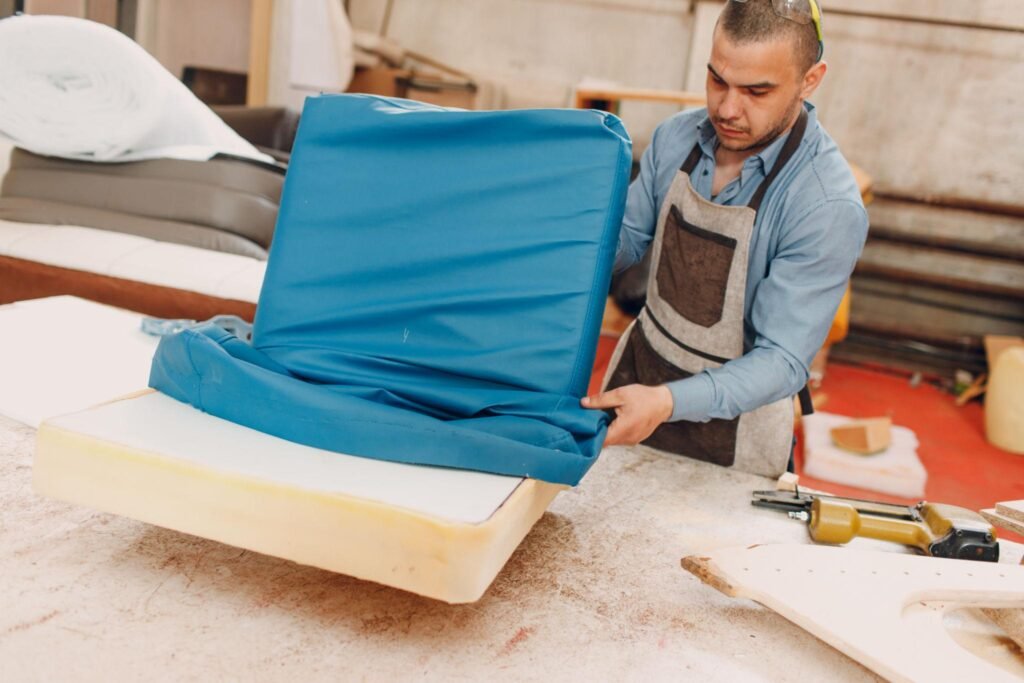
Commercial furniture with sound frame construction can support reupholstery rather than replacement. This approach extends furniture life substantially while allowing aesthetic updates that keep spaces current with brand positioning.
Reupholstery makes economic sense when frame quality supports it. Commercial furniture built with kiln-dried hardwood frames, proper mortise and tenon joinery, and hand-tied spring systems can be reupholstered multiple times over decades. Furniture with particleboard frames, stapled construction, and basic spring systems are not designed for reupholstery. The frame will not support the process, and attempting reupholstery on compromised structures represents poor investment.
The assessment process requires examining frame construction, spring system quality, and cushioning condition. These evaluations determine whether reupholstery represents appropriate strategy or whether replacement is more sensible. Not all commercial furniture qualifies for reupholstery consideration.
For furniture that does qualify, reupholstery provides specific advantages. The business can update fabric to match rebranding efforts without replacing structurally sound furniture. Costs are typically 40 to 60 percent of new furniture purchase for equivalent quality. The existing frames remain in service, avoiding disposal and replacement logistics. Businesses can schedule reupholstery work during off-peak periods to minimise operational disruption.
Reupholstery also allows fabric specification changes based on actual usage patterns. If initial fabric selection proved inappropriate for the specific wear conditions, reupholstery provides opportunity to select higher-rated materials. Businesses can specify contract-grade performance fabrics with appropriate Martindale (Fabric durability rating) ratings for the actual conditions the furniture faces.
How We Approach Commercial Upholstery at Fineline Upholstery
Commercial clients arrive with different requirements than residential clients. The furniture must withstand measurably heavier use. The aesthetic presentation affects brand perception. The replacement timing needs to fit business planning cycles. These requirements determine our approach to fabric specification and construction assessment.
We begin with usage assessment. How many hours daily will the furniture be used? What is the approximate user volume? Are there specific wear factors such as food service proximity or outdoor exposure? These questions establish the Martindale rating requirement. Furniture in reception areas with moderate traffic requires different specifications than dining furniture under constant use.
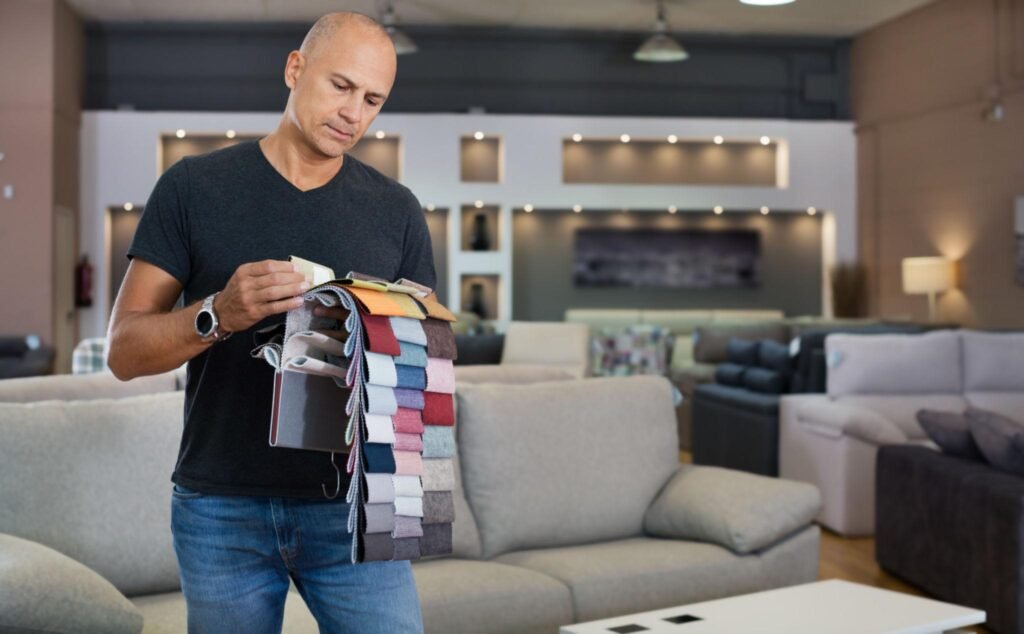
For contract-grade applications, we work with fabric suppliers including Camira, Warwick Contract, Spradling and Agua who specialise in commercial textiles. These suppliers provide documented Martindale ratings, fire retardancy certifications, and specific performance characteristics. Commercial fabric houses understand that testing documentation matters in contract applications. Specifications are not optional.
Fabric selection for commercial use: We specify fabrics at or above 30,000 Martindale rubs (Fabric durability rating) for standard commercial applications. High-traffic environments receive specifications at 40,000 rubs or higher. The fabric must also meet UK fire safety regulations for commercial premises. Aesthetics matter, but performance requirements establish the selection parameters first. A fabric that looks ideal but fails to meet durability or safety standards is not appropriate regardless of visual appeal.
When assessing existing commercial furniture for reupholstery, we examine frame construction with commercial longevity requirements in mind. Frame quality that would be acceptable for residential use may not support the extended service life required in commercial settings. We evaluate whether the existing structure can withstand another ten years of heavier use or whether structural limitations will cause premature failure.
We observe patterns in commercial furniture assessment. Furniture from the 1970s through 1990s typically has construction quality that supports commercial reupholstery. This era produced furniture for offices and hospitality settings before cost-reduction trends affected frame construction. More recent commercial furniture shows variation. Some manufacturers maintain construction standards, others reduced them to reach competitive price points.
Cost discussions with commercial clients focus on cost per year of service rather than initial price. A fabric that costs 30 percent more initially but lasts twice as long costs less overall. We provide projected service life estimates based on fabric ratings and actual usage patterns. These projections allow businesses to plan replacement or reupholstery cycles into their capital expenditure budgets.
Brand consideration affects fabric selection differently than residential work. Businesses often have established colour schemes and material preferences that reflect brand identity. We can match existing specifications or suggest alternatives that meet both aesthetic requirements and durability needs. The balance between brand coordination and performance requirements is specific to each commercial client.
If you operate a commercial space and are considering furniture reupholstery or assessing whether existing furniture warrants investment, contact us with details about your space type, approximate usage levels, and current furniture condition. We can evaluate whether reupholstery represents sensible strategy for your specific situation and provide fabric specifications appropriate to your usage requirements. Commercial upholstery decisions affect brand perception, operational costs, and replacement planning. The assessment process determines which approach serves your business requirements.
Our Services
Headboards/ Bedframes
Bespoke Loose Covers
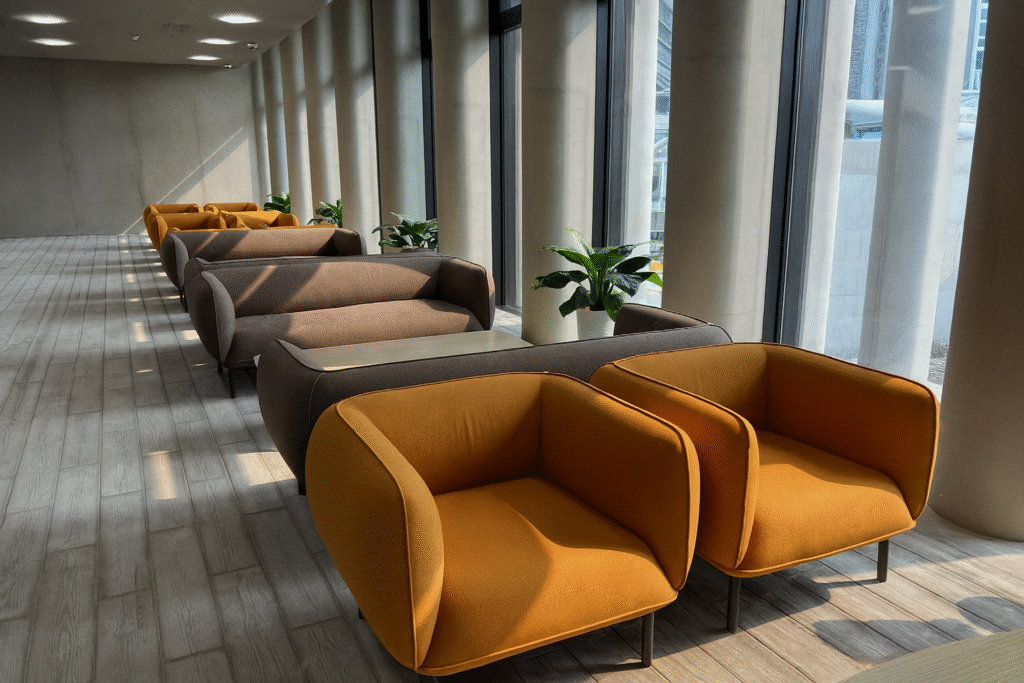
Commercial Upholstery
Curtains & Blinds
Bespoke Upholstery
Bespoke Cushions
EXCELLENTTrustindex verifies that the original source of the review is Google. Fineupholstery are wonderful. I have used their services before. I took in an old and very interesting chair for them to re-cover. It was quite complicated and they have done an excellent job. I am thrilled with the new look. And they were so helpful with fabric choice. I felt looked after and will happily to continue using their expert recovering services again. Thank you to all.Posted on GoogleTrustindex verifies that the original source of the review is Google. I contacted Fineline Upholstery to ask for some help with a damaged sofa. They were very prompt, asked for all the necessary details in one email so that once that was provided they could provide a quote and then come and carry out the work. It was effortless and I am very happy with their speed and professionalism. I would definitely use them again.Posted on GoogleTrustindex verifies that the original source of the review is Google. Excellent service and beautifully reupholstered armchair. Top job from beginning to end. Thank you!Posted on GoogleTrustindex verifies that the original source of the review is Google. Friendly, reliable and excellent craftsmanship! Thanks v much :) love our “new” furniturePosted on GoogleTrustindex verifies that the original source of the review is Google. It’s not just the quality of the upholstery, which is absolutely outstanding, but also the excellent customer service. All done really efficiently with updates at every stage.Posted on GoogleTrustindex verifies that the original source of the review is Google. It was a pleasure dealing with Fineline Upholsterers. Their work is of the highest standard and we were delighted with their speedy, prompt and excellent service. I would highly recommend them.Posted on GoogleTrustindex verifies that the original source of the review is Google. I dumped a whole pile of unsatisfactory sofa seat cushions in the workshop. 2 weeks later they were delivered home all pristine and plumped. So easy. So efficient. I can’t wait for my next project!Posted on GoogleTrustindex verifies that the original source of the review is Google. Highly recommended! Fineline Upholstery could not have done more to help. We had a bed that unfortunately got damaged during a house move. Collection, return and reassembly were all carried out efficiently and professionally. The quality of the reupholstered bed could not have been better. We will certainly use again.Posted on GoogleTrustindex verifies that the original source of the review is Google. Excellent service courteous and extremely efficient. Thank you Min. Delighted with the cushions beautifully made and ready much earlier than expected. Thank you Chris.Posted on GoogleTrustindex verifies that the original source of the review is Google. Can’t recommend this company highly enough! Have now used them twice: re-padding and re-upholstery of antique dining chairs and re-upholstery of new chaise. The results were brilliant, excellently made and the customer service responsive, attentive and very efficient. Prices are fair and reasonable. Thankyou!



Our Location
Address: 63 New King’s Road, Fulham, London, SW6 4SE
Opening time:
Monday – Friday: 9:00am – 5:00pm
Saturday: 9:00am – 4:00pm
Sunday: Closed
Speak with the Team
020 7371 7073
info@finelineupholstery.co.uk
